
Buyer guide
Air conditioning buyer guide: choosing, costing and looking after your system
Practical guidance to help you compare system types, read a quote and decide whether to repair or replace. We don't publish fixed prices because every property differs — this guide explains what drives the cost so you can compare quotes on a like-for-like basis.
Service areas
Split vs multi-split vs ducted
- Split system — one indoor unit and one outdoor unit. Suits a single room or open-plan area; usually the simplest and lowest-cost install, and each unit runs independently.
- Multi-split — several indoor units on one outdoor unit. Suits two to five rooms where outdoor space is limited; each room has its own controller, but all indoor units depend on the one outdoor unit.
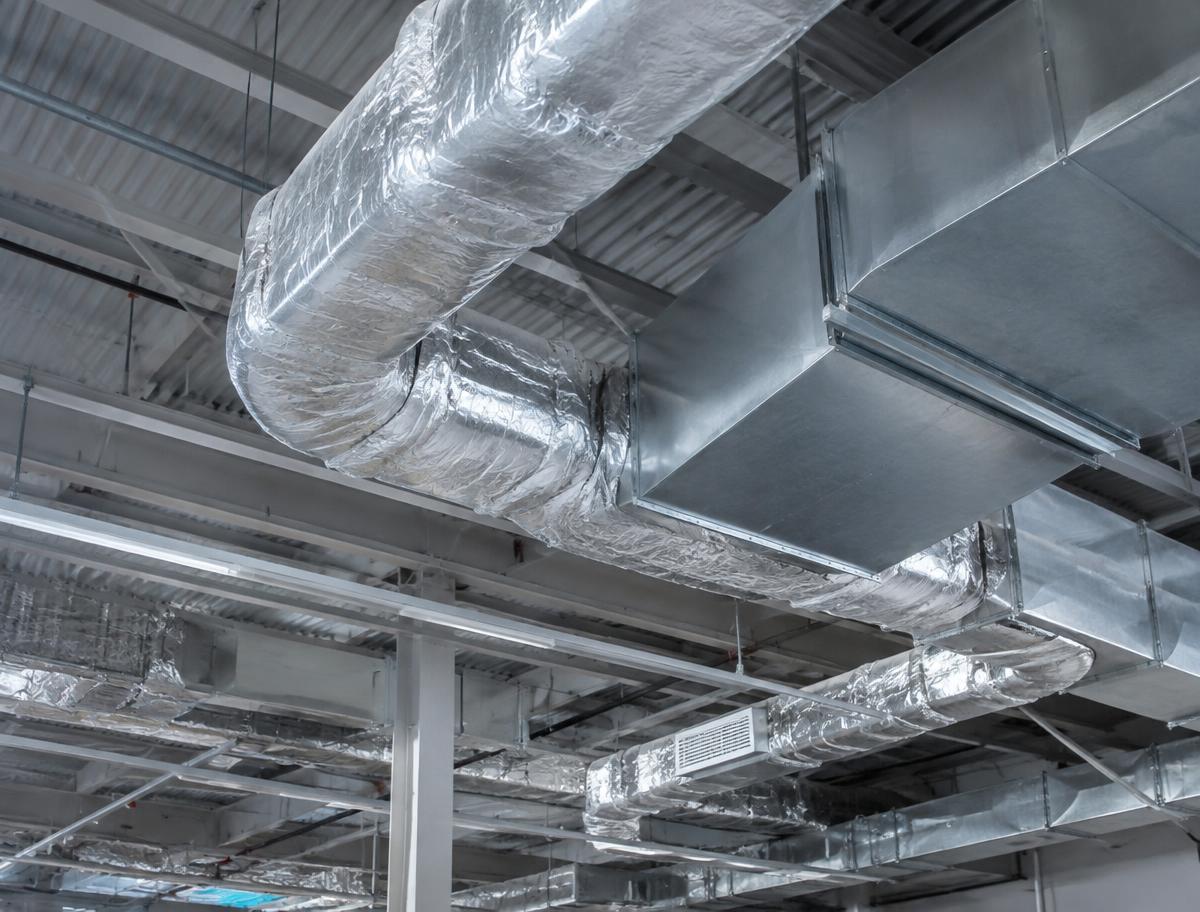
- Ducted — a concealed indoor unit in the roof or under the floor with ducts and vents to each room. Suits whole-home or larger-area comfort with minimal visible equipment; needs adequate roof space and is the most involved install.
- Cassette and under-ceiling units — common in shops, offices and clinics where wall space is limited or air needs to spread across a larger room.
What affects the cost of an installation
- System type and capacity, sized to the room or home rather than guessed.
- Distance and route between indoor and outdoor units, and whether pipework can be concealed.
- Wall construction, roof access and working height (two-storey and tight roof spaces take longer).
- Electrical supply — whether a dedicated circuit, isolator or switchboard work is needed.
- Condensate drainage route and outdoor unit mounting (ground, wall bracket or roof).
- Removal and disposal of existing equipment, including refrigerant recovery.
- For ducted systems: number of outlets, zones, return air position and controller choice.
Reading a quote: inclusions and exclusions to check
- Make, model and capacity of every indoor and outdoor unit.
- Pipe run length allowed for, and the rate for anything beyond it.
- Electrical work included, and what is excluded (for example switchboard upgrades).
- Removal of old equipment and making good of wall penetrations.
- Commissioning, controller setup and a handover walkthrough.
- Manufacturer warranty terms as provided with the equipment.
- Common exclusions to ask about: patching and painting, asbestos, structural or roof alterations, and after-hours access.
Repair or replace?
A repair usually makes sense when the system is relatively young, the fault is a single component, and it has otherwise performed well. Replacement is worth pricing alongside a repair when the system is older, needs a major component such as a compressor, has repeated faults, uses a phased-out refrigerant, or no longer keeps the space comfortable. We'll explain the fault and give you the options so you can decide.
Zoning, smart controls and running costs
- Zoning lets a ducted system condition only the rooms in use, which can reduce running time.
- Wi-Fi and smart controllers allow scheduling and remote on/off where the equipment supports it.
- Running costs depend on system size and efficiency, insulation, sun exposure, thermostat setting, hours of use and your electricity tariff — so we don't quote a single running-cost figure.
- Correct sizing matters: an undersized system runs flat out, an oversized one cycles on and off and controls humidity poorly.
- Setting cooling a few degrees warmer, closing doors to unused rooms and keeping filters clean all help.
Installation, commissioning and handover
- Site assessment where the job needs one, confirming unit positions, pipe route and electrical requirements.
- Installation with regulated electrical and refrigerant work undertaken by appropriately licensed trades.
- Commissioning: pressure testing, evacuation, refrigerant checks and confirming the system heats and cools correctly.
- Handover: how to use the controller and modes, filter cleaning, and the manufacturer warranty information.
Aftercare and servicing
Clean wall-split filters regularly during heavy use, keep outdoor units clear and rinse salt build-up on coastal properties. Most homes benefit from an annual service before summer; commercial sites running long hours usually need more frequent maintenance. Book a service any time, including for systems we didn't install.
Regulated installation and service work is undertaken by appropriately licensed trades.
Frequently asked questions
How much does air conditioning installation cost?
+
It depends on the system type and capacity, the equipment brand and model, the length and route of the pipework, mounting and access, and whether electrical work is needed. A single split system costs far less than a zoned ducted system. We don't publish fixed prices; we give a written quote after reviewing your property and requirements.
What size air conditioner do I need?
+
Capacity depends on more than floor area. We look at room volume, ceiling height, insulation, glazing and window orientation, how many people use the space and when, and whether the room opens into other areas. A west-facing living area with large windows in Baldivis can need noticeably more capacity than a shaded room of the same size. We size from a site assessment rather than a square-metre rule of thumb.
Should I choose split or ducted air conditioning?
+
Split systems suit homes where only a few rooms need conditioning, or where there is no practical roof-space access. Ducted suits whole-of-home comfort with discreet outlets and zoning, provided there is adequate roof space and return-air positioning. Multi-split sits between the two. We explain the trade-offs in running cost, upfront cost, noise and appearance for your specific layout.
Should I repair or replace my air conditioner?
+
Repair usually makes sense when the system is reasonably young, correctly sized and the fault is isolated. Replacement is worth considering when the unit is old, uses a superseded refrigerant, needs repeated or costly repairs, or never cooled the space properly. After diagnosing the fault we explain both options so you can decide.
Ready to talk about your project?
Send the details and photos — we'll review and come back to you with next steps.